Summary of Hangzhou Longjin Tea
Hangzhou is a famous leisure city in China. All kinds of teahouses are dotted here and there in the city. One of its most famous local products is Dragon Well Tea, reputedly one of the country's ten best types. Local people have a long history of drinking green tea.
1 Day Hangzhou Tea Culture Experience Tour
The guide will pick you up from your hotel in Hangzhou, then drive to City God Temple in old downtown area where you can get a bird's eye view of the whole city.
Afterwards, continue to visit Meijiawu Tea Village. Meijiawu has long been well known for its Longjing (Dragon Well) Tea tradition. It is a good place to understand the brilliant past and equally bright future of tea in China, experience the traditional method of making Longjing (Dragon Well) Tea as well as drinking, picking, smelling or buying some if you are interested in it.
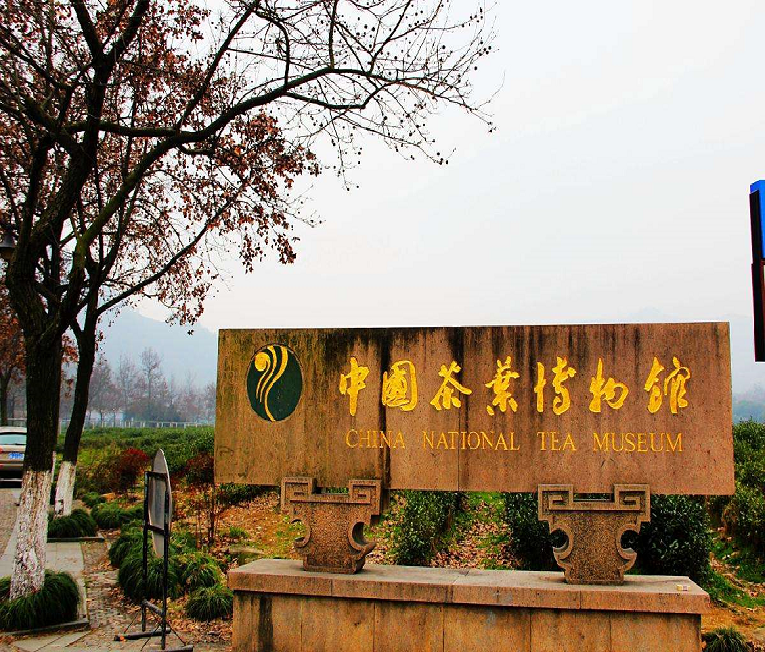
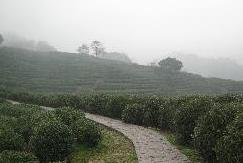
After that, have lunch in the tea village, some local food such as Tea Chicken and Dongpo Pork will be served for lunch, then, head to China National Tea Museum. It is the only national tea museum in China surrounded by groves of tea trees which are beautifully trimmed. The museum itself has a comprehensive information of China tea culture described both in English and Chinese, making it easier to understand for visitors from home and abroad.
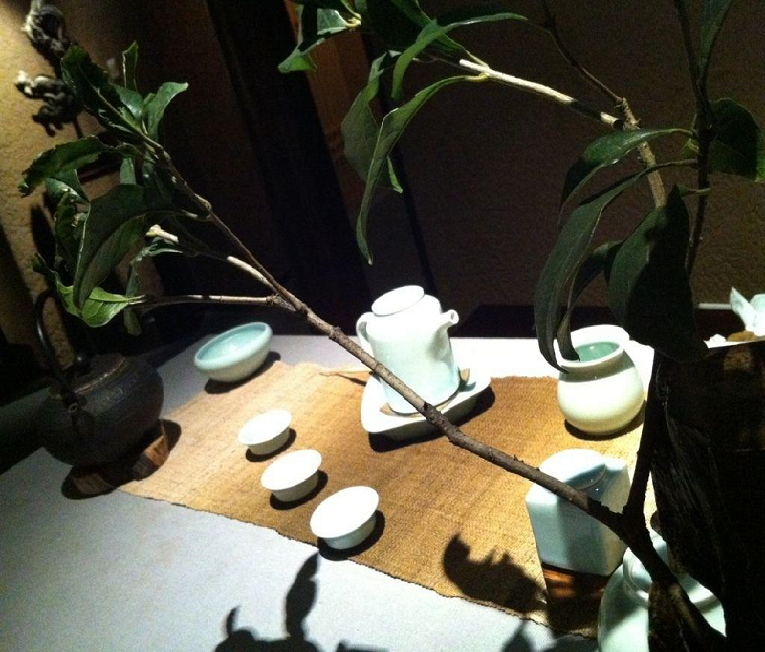
Then you are taken to a big tea house called QingTeng tea house in the city center. You would not realize being in a building when you step into this teahouse as the the teahouse was designed by a surreal method, an atmospher of ancient leisure life was created.
There are private booths which can accommodate up to a group of six, you can stay and sip some tea in the booth with the family or friends, while in the open area the live classical chinese string instruments are on performance, you may choose to sit near to the stage to listen to it. There is a whole range of tea you can order prcing from CNY68 and above. The buffet, comprising of local appetisers, main courses, desserts and munchies comes free with it. Some of the dishes are Hangzhou's specialities such as fatty pork with glutinous rice (wrapped as dumpling).
After the tour, we will drive back to your hotel, the whole day tea culture experience tour ends.
What is included
*Entrance fees as listed
*Transportation and Englsih Speaking guide
*lunch
What is excluded
*Hotel in Hangzhaou.
*Any other personal expernses.
*Tips to the guide/driver.
Tea Plantations in Hangzhou
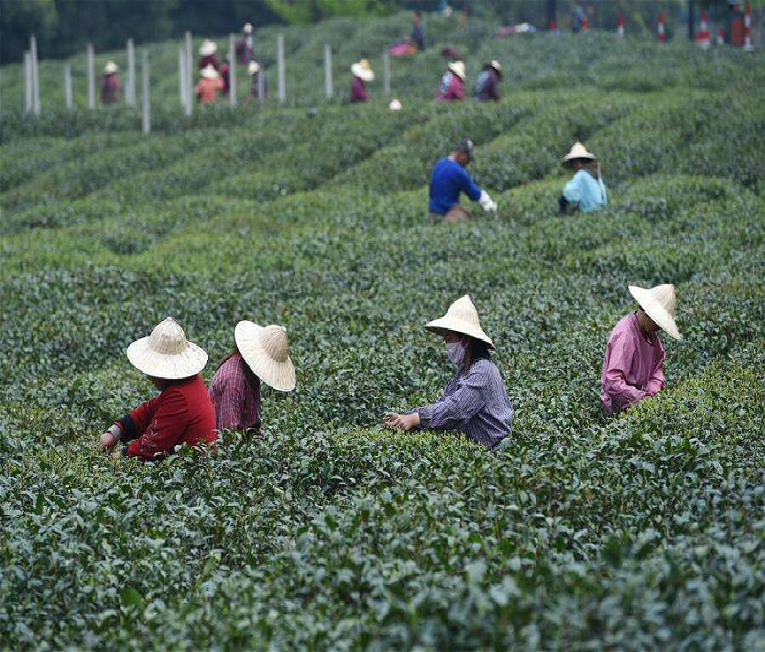
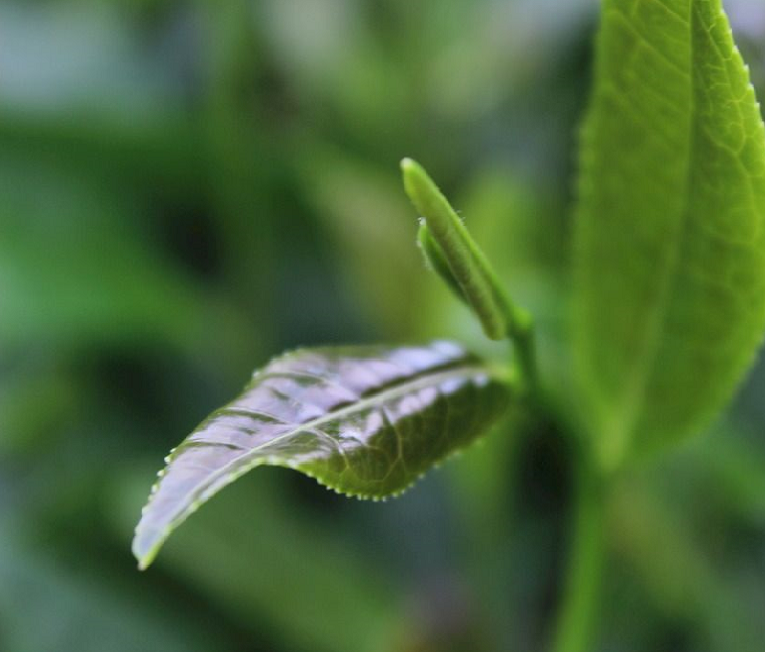
The Dragon Well tea plants are in the camellia plant family, which has a fairly nondescript smell or taste when fresh. The tea leaves are picked from late March to early April, when the new leaves appear. Tea cultivation is a labor intensive business, as all picking is done by hand so that the young leaves are not damaged.
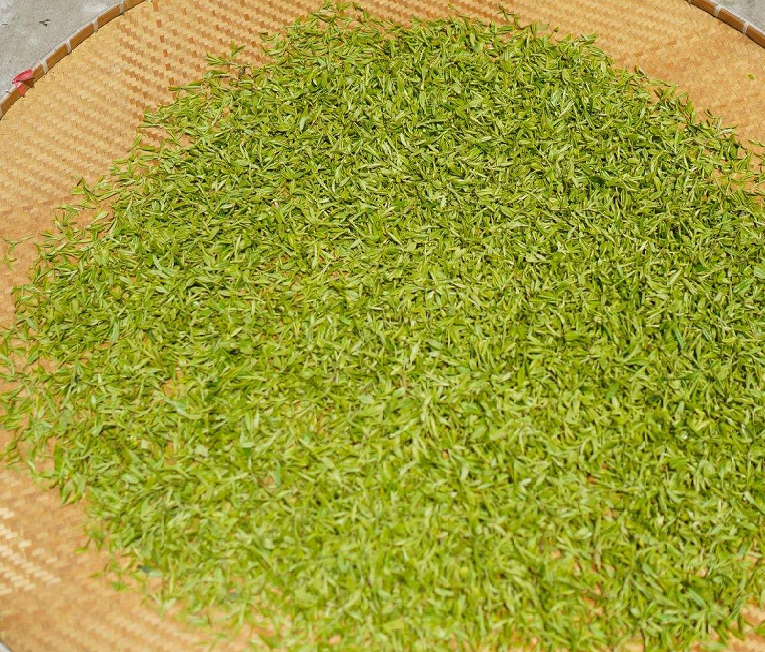
Tea leaves are pan-dried immediately after picking to prevent oxidation and bacterial growth. They then are rolled by hand to squeeze out excess moisture and to release flavor enzymes. The leaves are finally fired in large driers and packed.
The pan-drying or "pan-firing" method of drying tea leaves requires skill, as a temperature must be maintained that will have the best results for the size, tenderness, and volume of the tea leaves.
When properly brewed, the tea will turn a light green color and have a delicate, herbaceous, and somewhat tangy flavor. The green color is maintained by letting the boiling water cool to the correct brewing temperature (around 75 degrees Celsius) so as not to destroy the natural chlorophyl in the tea.
Imperial Dragonwell Tea
In ancient China the "Imperial Dragonwell tea" was picked for the Emperor by young virgins, who used gold scissors to cut only the first leaf, which was placed into a golden basket. Legend has it that the young virgin tea-pickers also used only their teeth to pluck the youngest leaves.
The name "Imperial Dragon Well" is still used today, denoting the use of only the finest young tea leaves. Bagged tea that is labeled "Imperial Dragon Well" or "Lungching Dragon Well" should be avoided as only the lowest grade of tea leaves are used for tea bags.